

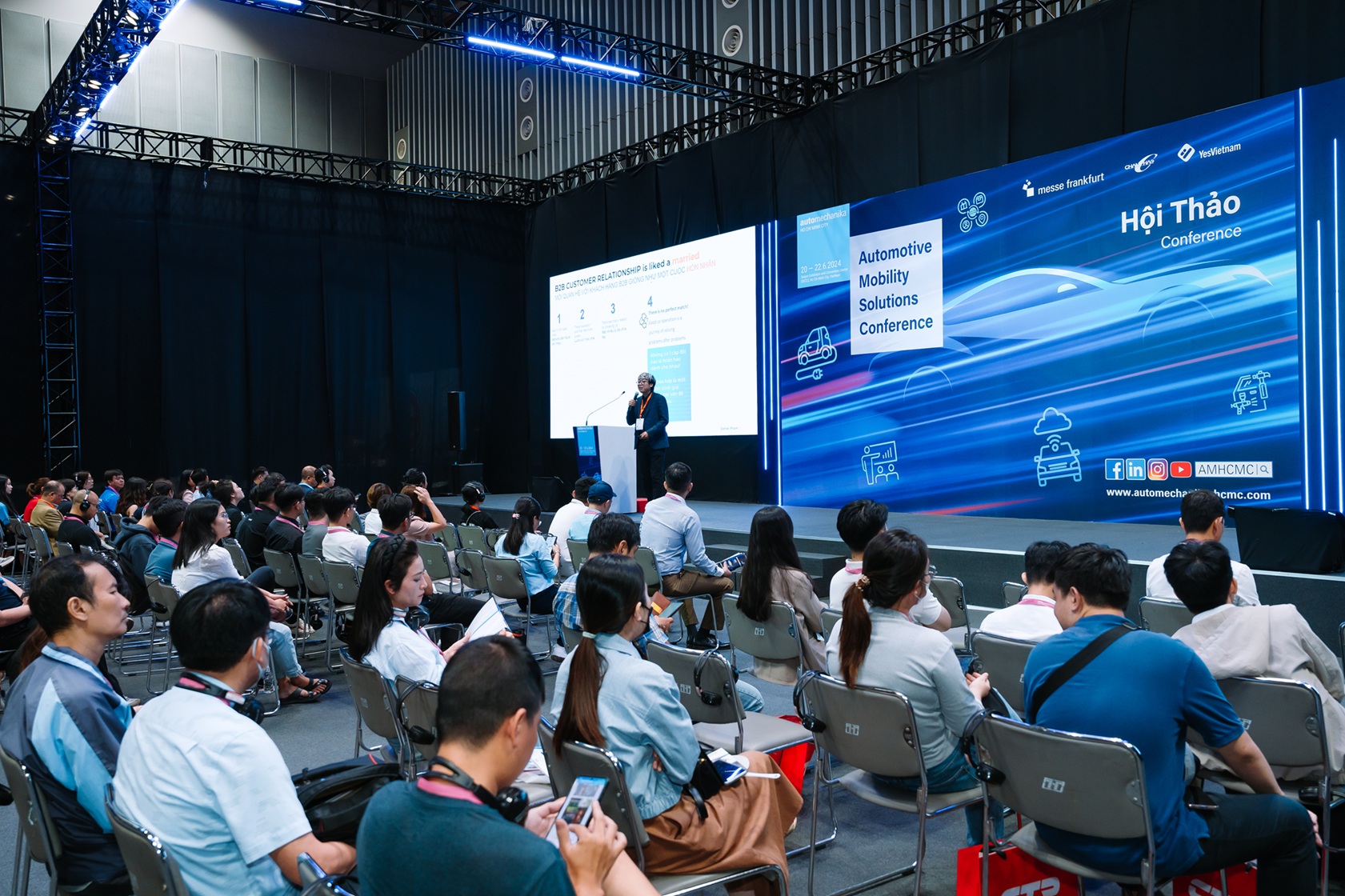
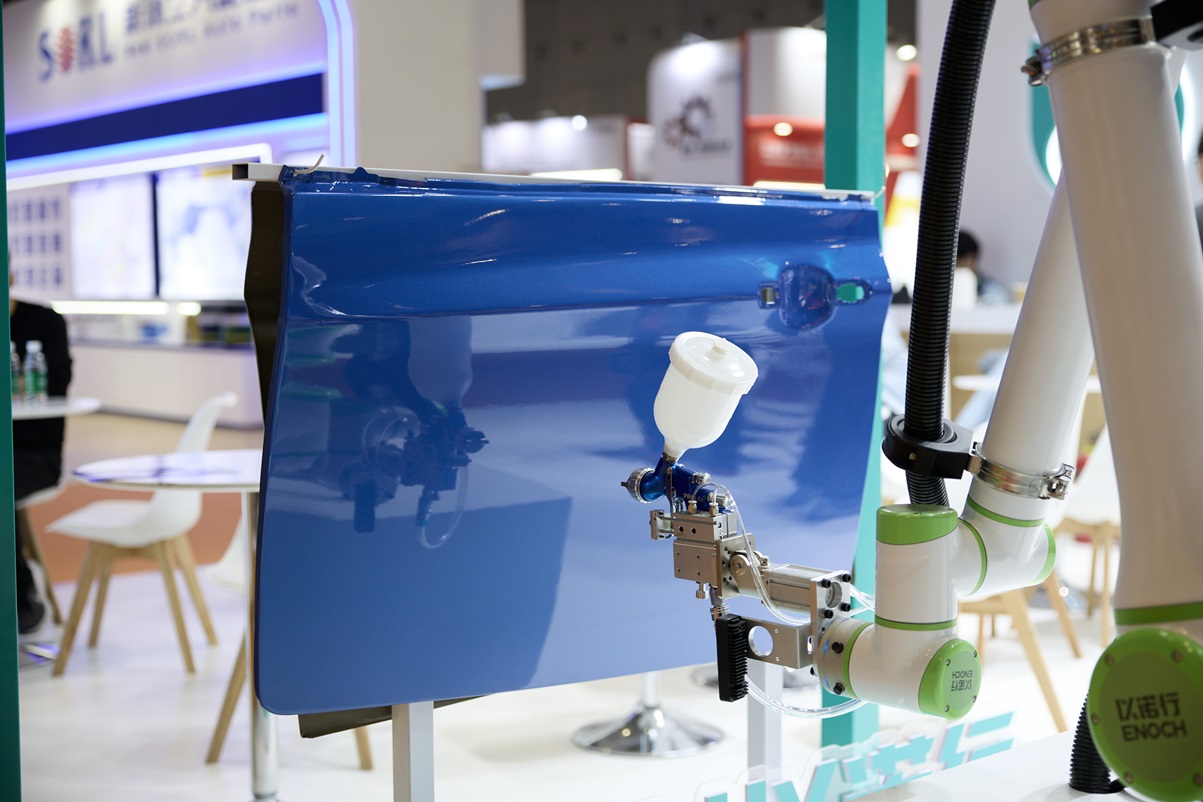
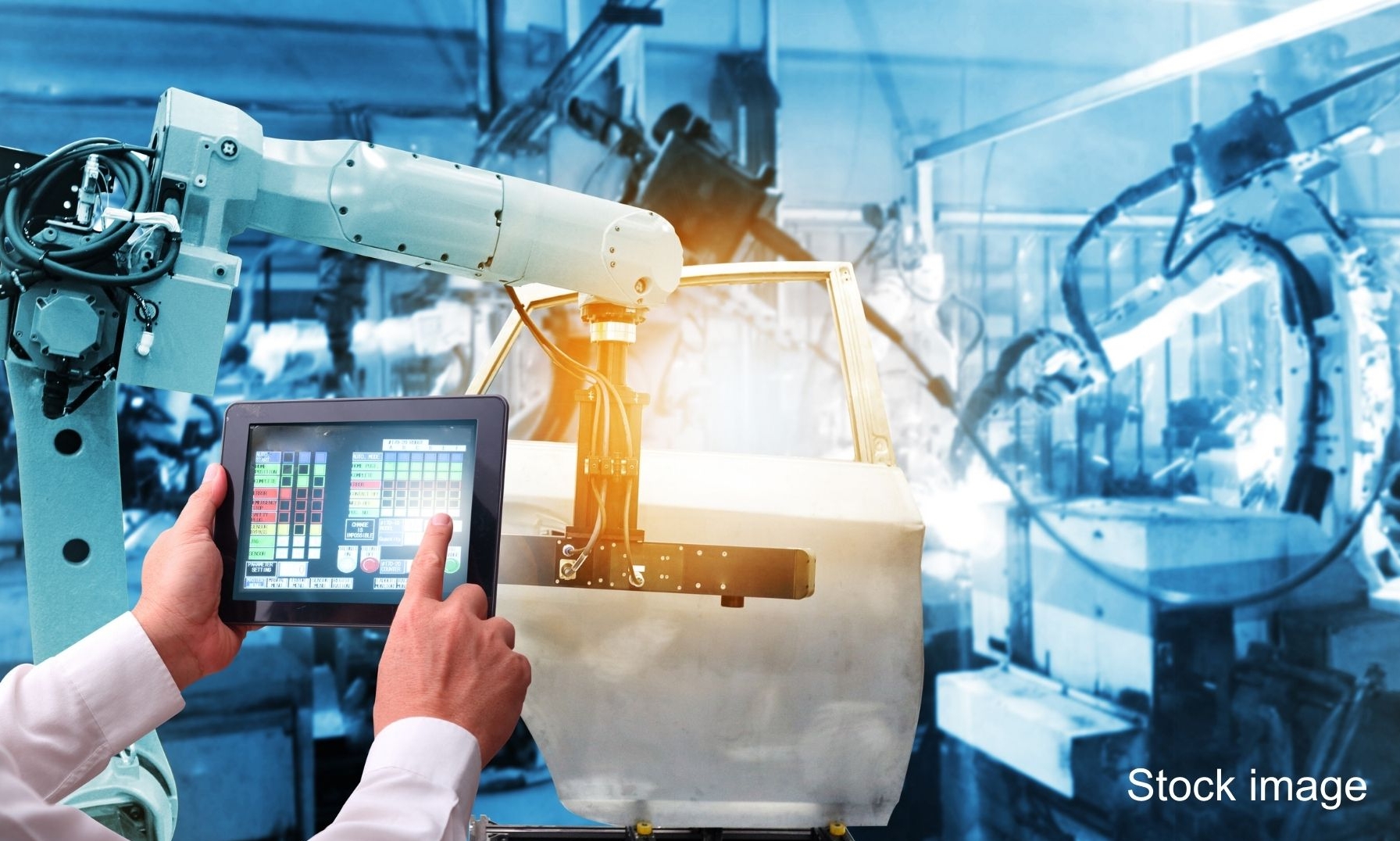
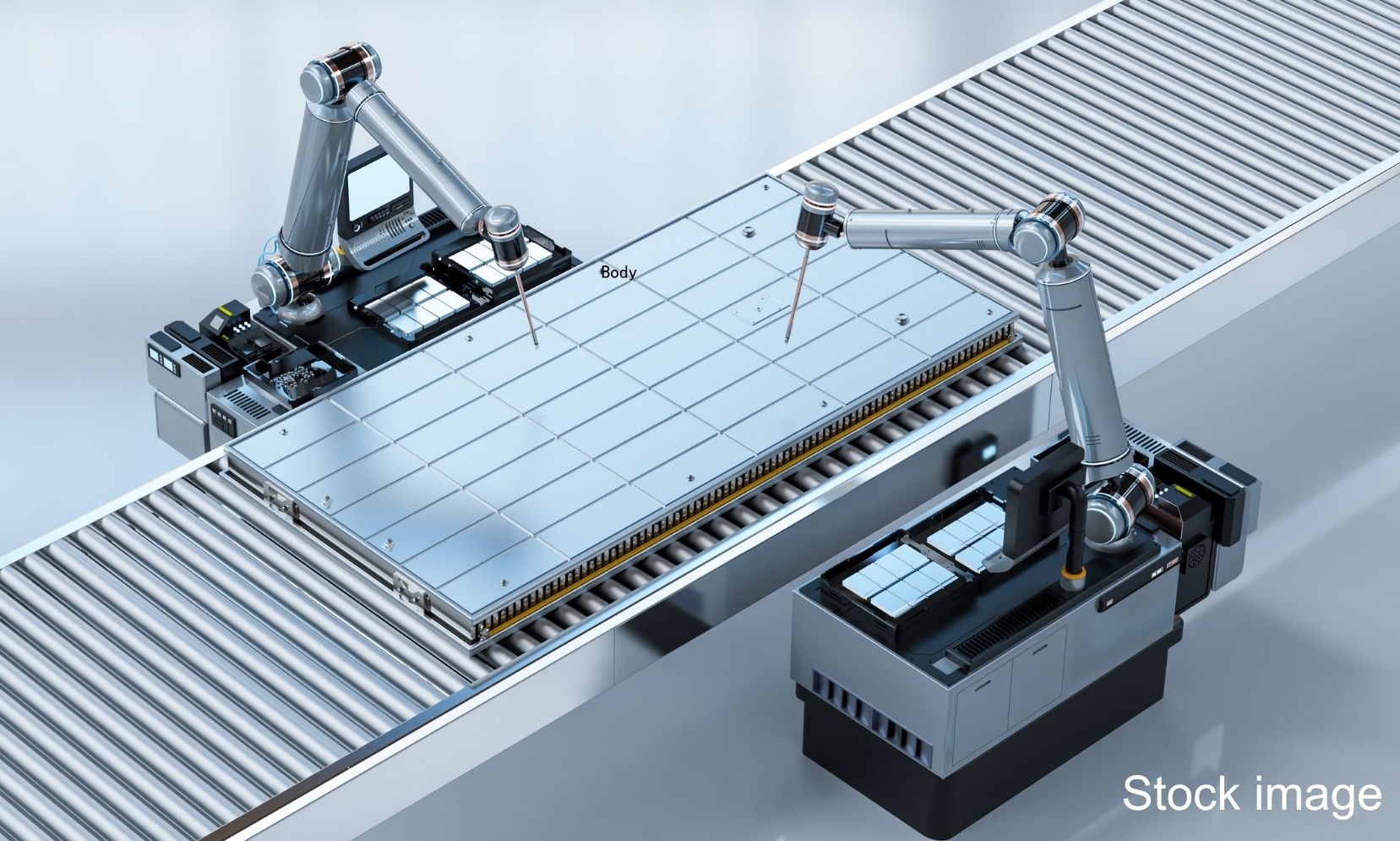
The conference focuses on aligning Indonesia’s automotive development with global trends, covering electrification, Industry 4.0, sovereign supply chains, AI-enabled mobility, and sustainable operations. Adjacent to the conference, a specialised zone highlights innovations in the automotive industry, featuring automated manufacturing technologies.
Date: 24 – 26 September 2026
Venue: Mainstage, 5A40, Hall 5, NICE
Conference topics
- The Electrification Bridge: International Trade, Battery Standards & Aftermarket
- Automotive Manufacturing & Industry 4.0 in Jakarta
- Intelligent Mobility & AI-Driven Solutions
- Circularity & Sustainable Tech Operations
- Fleet Management & Logistics
- Steering the Future of Safe and Connected Mobility
Agenda
Day 1 (24 Sep 2026) PM
The Electrification Bridge: International Trade, Battery Standards & Aftermarket As clean mobility redefines automotive ecosystems, this track bridges global supply chain synergies with local execution. Exploring cross-border collaboration between Mexico and Indonesia, standardized battery health diagnostics, and independent workshop readiness, these sessions deliver an end-to-end roadmap for building a resilient, trusted, and globally aligned electrification ecosystem. |
||
| 16:00 – 16:20 | Mexico’s Role in the Future of Automotive Mobility: Opportunities for Collaboration with Indonesia This talk explores Mexico’s strategic role in global automotive mobility and its growing partnership with Indonesia. It highlights bilateral trade, resilient supply chains, EV development, and sustainability, emphasizing how both countries can leverage complementary strengths to advance innovation, industrial cooperation, and future-ready mobility solutions. |
H.E. Francisco de la Torre, Ambassdor, Embassy of Mexico in Indonesia |
| 16:20 – 16:50 | EV Battery Diagnostics & SoH Standards: Unlocking Data Transparency, Consumer Trust, and Used-EV Market Value | Speaker to be announced |
| 16:50 – 17:30 | Panel Discussion: EV & Hybrid Aftermarket Readiness: Building Indonesia’s Service Ecosystem for the Next Wave of Electrification
|
Moderator: Yuniadi Haksono Hartono, Indonesia Center for Mobility Studies Panel speakers:
|
Day 2 (25 Sep 2026) AM
Automotive Manufacturing & Industry 4.0 in Jakarta Anchored in the "Making Indonesia 4.0" framework, this track explores smart factory adoption—from digital twins and robotics to SME supply chain digitalisation—highlighting Indonesia’s shift from traditional assembly lines into an advanced, high-precision manufacturing and export hub. |
||
| 10:30 –10:45 | The Smart Factory Roadmap: Scaling Low-Cost and Modular Automation for Jakarta's Production Lines
|
Daniel Suryananta Satyanegara, Vice President PT Akebono Brake Astra Indonesia (member of Astra Otoparts), and Director Akebono Brake Astra VietnamI Co Ltd (member of Astra Otoparts) |
| 10:45 – 11:00 | Next-Generation AI & Smart Manufacturing in Automotive Production As the automotive industry faces unprecedented supply chain complexity and mass customization, traditional production models fall short. This presentation explores how enterprise-grade AI and Smart Manufacturing transform shop-floor operations. Drawing from Lenovo-led deployments across top-tier automotive OEMs, we examine how AI-driven Advanced Production Scheduling (APS) replaces rigid legacy models with dynamic orchestration. Attendees will learn how integrating AI across IT and OT systems solves complex assembly constraints, drastically reduces downtime, optimizes throughput, and delivers a scalable roadmap for the future of intelligent vehicle manufacturing. |
Omar Abouelmagd, IT Lead Consultant - TSD - BASD, Smart Manufacturing Service Delivery, Solutions & Services Group, Lenovo Malaysia |
| 11:00 – 11:30 | Panel Discussion: Accelerating the Supply Chain: Overcoming Capital and Technical Barriers in Automotive Manufacturing Digitalisation
|
Moderator: Edi Kurliyanto, Supply Chain Practitioner Panel speakers:
|
Day 2 (25 Sep 2026) PM
Intelligent Mobility & AI-Driven Solutions This track explores the intersection of data-driven automotive solutions and next-generation mobility ecosystems. Topics focus on the deployment of Software-Defined Vehicles (SDVs), enterprise fleet telematics, cloud-coordinated logistics, and automated digital value chains. Sessions will examine how global data standards, predictive logistics modeling, and enterprise service platforms optimize fleet operations, secure components tracking, and scale intelligent transport networks across Southeast Asia. |
||
| 13:30 – 14:00 | The Software-Defined Vehicle (SDV): How AI-Driven Operating Systems are Redefining Automotive Value and Fleet Operations
|
Devarajan Ranganathan, former EV Platform Director, Vinfast |
| 14:00 – 14:30 | Physical AI in Motion: Deploying Humanoid Robots and Intelligent Kinetics in Automotive Warehousing and Sorting Hubs
|
Bagus Widyanto, Chief Marketing Officer, PT Denka Pratama Indonesia |
| 14:30 – 15:15 | Panel Discussion: The AI Mobility Horizon: Synthesizing Intelligent Fleet Hardware, Autonomous Logistics, and Next-Gen Workforce Realities
|
Moderator: Sigit Tri Santoso, Automotive Journalist Panel speakers:
|
| 15:15 – 15:45 | Navigating the Next Era of the Indonesian Aftermarket: Leveraging Data & AI to Capture Emerging Consumer Trends
|
Gwenael de Calan, APAC Business Development Manager, TecAlliance |
Circularity & Sustainable Tech Operations This track explores the commercial pathways of automotive sustainability—from localized EV battery recycling and second-life archipelago storage to regulatory compliance and transforming green diagnostics and emissions testing into profitable, high-volume aftermarket service lines. |
||
| 15:45 – 16:15 | Battery Recycling Technologies: Battery Recycling and 2nd Life Usage
|
Georg Schrank, Sales Manager ASEAN & China, AVL List GmbH |
| 16:15 – 16:45 | How Rooftop Solar Empowers Sustainable Automotive Manufacturing As automotive manufacturers and suppliers face growing pressure to reduce emissions and manage energy costs, rooftop solar is emerging as a practical solution that supports both sustainability and business objectives. This session explores how rooftop solar can help automotive facilities lower operating costs, reduce carbon emissions, and strengthen operational resilience. Attendees will gain insights into how distributed generation can support cleaner manufacturing while enhancing long-term competitiveness in the automotive industry. |
Binu George, Country Manager, TotalEnergies Renewables, Distributed Generation Indonesia |
| 16:45 – 17:30 | Panel Discussion: Circular Batteries, Green Materials & Low-Emission Operations: Turning Sustainability into Aftermarket Revenue
|
Moderator: Yuniadi Haksono Hartono, Indonesia Center for Mobility Studies Panel speakers:
|
Day 3 (26 Sep 2026) AM
Fleet Management & Logistics This track examines the economic and operational roadmaps for commercial fleet electrification in Greater Jakarta—focusing on Total Cost of Ownership (TCO) dynamics, innovative financing, smart depot charging engineering, and overcoming last-mile logistics hurdles to scale sustainable fleets. |
||
| 10:30 – 10:50 | The Digitalisation and AI Aspects of Fleet Operations Fleet management is moving beyond GPS tracking towards connected, intelligent operations. This session explores how fleet operators can integrate vehicle, workshop, maintenance, utilisation and financial data to understand true vehicle performance. Discover practical applications of AI to reduce downtime, control costs, improve utilisation and enable smarter fleet management decisions across operations. |
Aik Boon Chua, Business Development Director, DewTouch Innovations Pte Ltd |
| 10:50 – 11:10 | Depot Power & Logistics: Engineering High-Capacity Charging for Commercial EV Fleets
|
PT Krama Yudha Tiga Berlian Motors (Mitsubishi) |
| 11:10 – 12:00 | Panel Discussion: Scaling Sustainable Fleets: Commercial EV Realities, Depot Engineering, and Urban Fleet Logistics
|
Moderator: Yuniadi Haksono Hartono, Indonesia Center for Mobility Studies Panel speakers:
|
Day 3 (26 Sep 2026) PM
MOVEINDO (Modern Vehicle Expert Indonesia): Steering the Future of Safe and Connected Mobility As ASEAN transitions toward electrified and digitized transit, this dedicated technical track examines the critical intersection of automotive advancement and road safety. Drawing on regional insights, the session evaluates current safety benchmarks before mapping out future technological and regulatory milestones. The forum unites top-tier policy makers, EV pioneers, and telematics innovators to tackle the real-world challenges of data-driven fleet logistics, smart crash mitigation, and robust cybersecurity frameworks required for tomorrow's transportation ecosystem. |
||
| 14:20 – 17:00 | Conference with MIROS
|
Speakers to be updated
|
*Agenda updated as of 11 September 2026, subject to change.
Automotive Mobility Solutions Zone

Join Our Special Showcase Opportunity
Prime Location
Situated at the entrance hall adjacent to the main corridor and surrounded by leading brands, this exclusive zone guarantees maximum visibility and foot traffic.
Eye-Catching Design
As a focal point of the exhibition, the showcase area will feature striking design elements and clear directional signage to guide visitors throughout the venue.
High-Tech Branding & Marketing
Benefit from dedicated promotional campaigns before and during the event, positioning your brand as a leader in innovation and technology.
Benefits of Participating
- Boost your brand’s visibility at a prestigious global event
- Align your company with top industry innovators
- Connect directly with buyers, suppliers, OEMs, fleet operators, solution providers, and government representatives
- Highlight and demonstrate your latest cutting-edge technologies
Special Showcase Package
- Booth Pricing: starting at a minimum of 6 sqm
- Prime zone location with exceptional exposure
- Fully inclusive booth design, including furniture, fixtures, and fascia
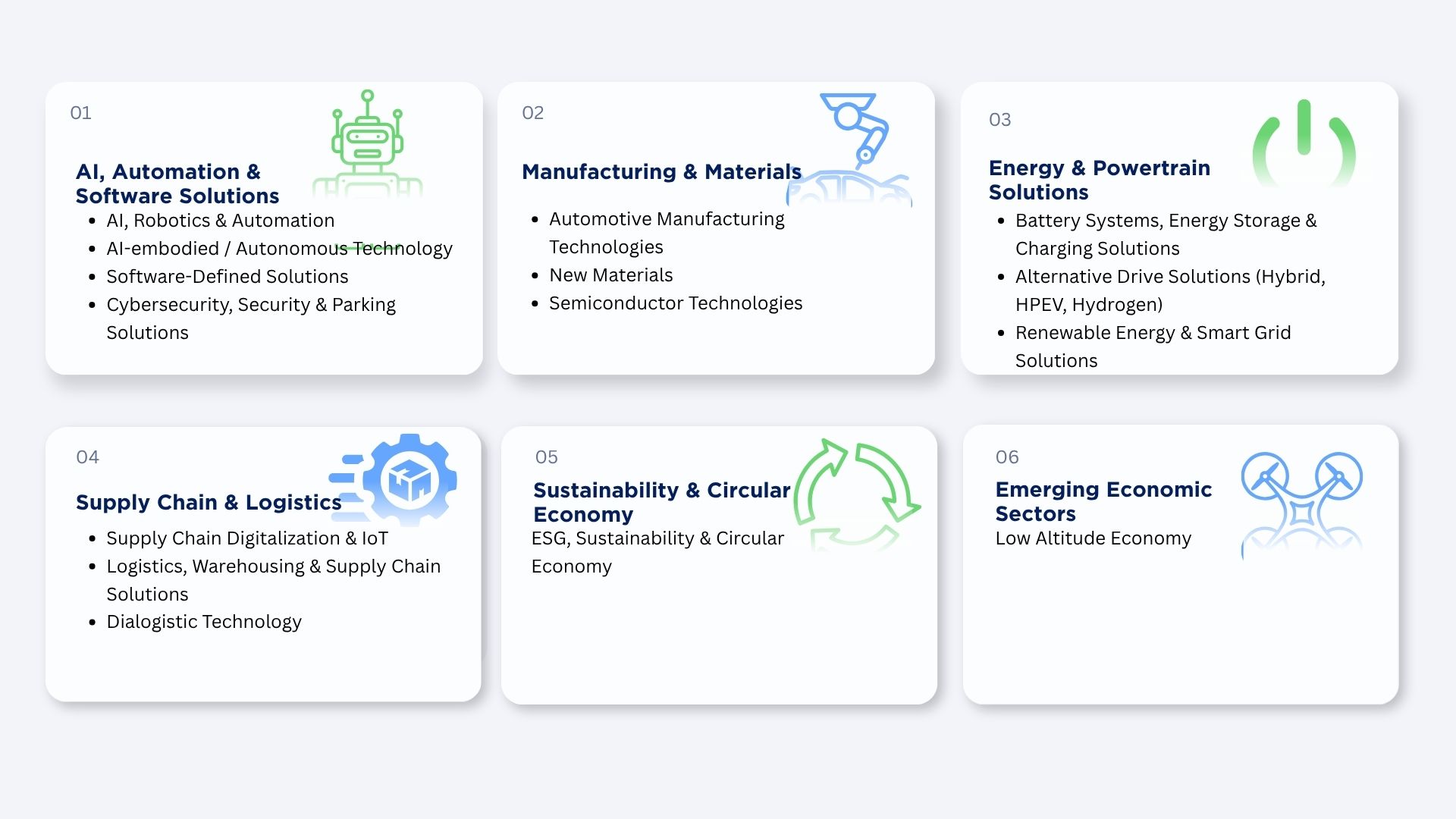
Display products/solutions categories